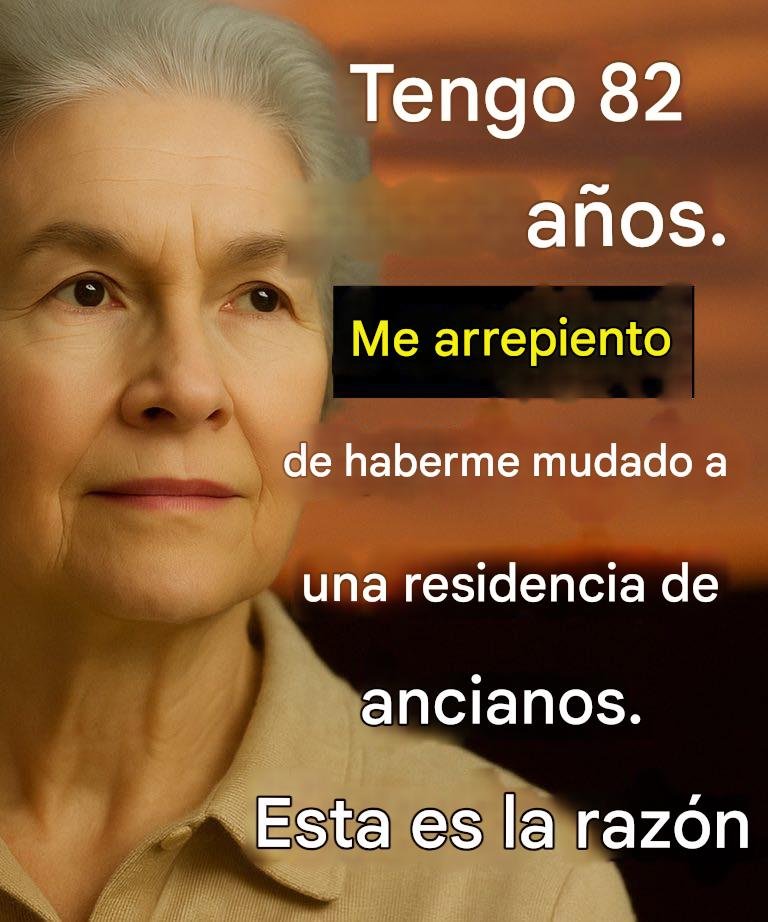
Choosing to move into a nursing home may initially seem like the most reasonable option. These facilities promise constant attention, company and a feeling of security. Many adult children see them as a way to ensure the safety of their parents, while many older adults see them as a practical option when living independently becomes too difficult.
Yet beneath that reassuring image of comfort and protection lies a rarely-mentioned reality: Living in a nursing home can transform your world in unexpected ways. This is not intended to be a criticism, but rather a reminder to dig deeper. Some truths only become clear once you have adapted: when routine takes over, tranquility feels heavier and independence begins to fade into memory.
If you or someone you care about is thinking about taking that step, read on.
These six ideas can help you understand what’s really beyond polished hallways and polite smiles.

1. Independence fades silently
At first, it’s a relief not to cook, clean, or worry about daily tasks. But over time, that comfort turns into dependence. You no longer decide when to wake up, what to eat or how to spend the day.
Everything is governed by someone else’s schedule. The little habits that once made you feel alive —making your own coffee, walking around your neighborhood, caring for your plants— become memories of a freedom that slowly disappears. And once you let it go, getting it back is almost impossible.
2. Loneliness can hurt more than illness.
The first days are full of adaptation, visits and calls. But as the months go by, the outside world begins to be forgotten. Visits become less frequent, promised calls do not always arrive and silence begins to take over everything.
Not because your family doesn’t care, but because life takes its course and you are no longer part of its rhythm. The building may be crowded, but silence often reigns. And there is something deeply painful about waiting for a call that never comes.
3. Without purpose, days lose meaning.
At home, there is always something to do: cook, arrange, care, create. Those small tasks structure life. In a nursing home, everything is done for you and without realizing it, you lose your sense of purpose.
Many residents begin to feel like roleless caregivers, trapped in a passive routine. Their bodies become still and their minds begin to become blocked. That’s why it’s so important to maintain a purpose, no matter how small: read, write, help others, care for a plant, or share what you know.
4. The body weakens faster than expected.
Ironically, a place built to care for you can sometimes accelerate your physical deterioration. Less movement, fewer challenges, and more dependency weaken both muscles and spirit.
Many people arrive alone and, months later, depend on a wheelchair. The body ages faster when not in use. Staying active is not just a form of exercise, it is a way to keep freedom alive.
