
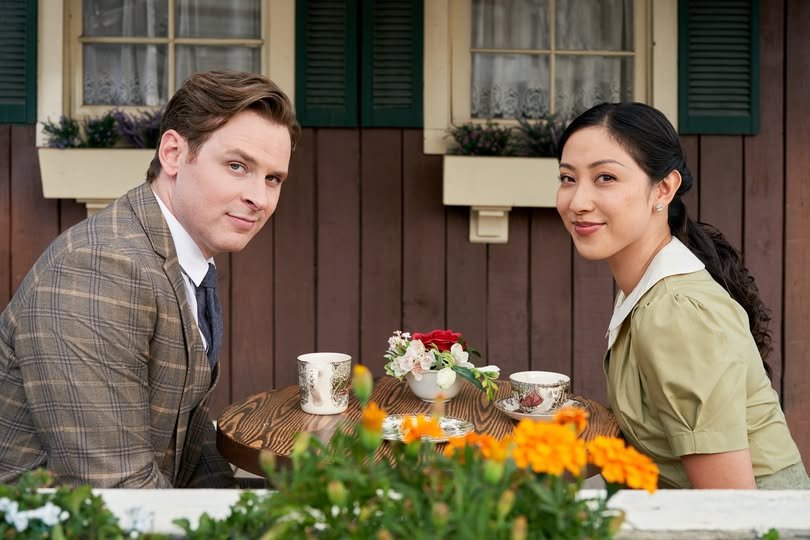
One of the remarkable achievements of When Calls the Heart is that its characters have never remained static. Each season allows viewers to watch them evolve through new responsibilities, changing relationships, personal victories, and unexpected hardships. Rather than relying solely on dramatic surprises, the series has built its success on meaningful character development that unfolds naturally over time.
The Hickams exemplify this approach beautifully. Their journey has been shaped not only by romance but also by friendship, loyalty, and a shared commitment to the people around them. They support each other without overshadowing one another, creating a partnership that feels balanced and genuine. Fans appreciate that their relationship reflects real emotional growth rather than simply serving as a subplot.
Season Fourteen promises another opportunity to spend time with these familiar faces while watching new stories unfold. That anticipation comes not from knowing exactly what will happen but from trusting the writers to continue exploring themes that have always defined the series: hope after disappointment, strength through community, forgiveness, resilience, and the importance of choosing love even during difficult times.
The beauty of Hope Valley has always extended beyond its picturesque streets and charming buildings. The true heart of the town lies in its people. Neighbors support one another through hardship, celebrate life’s milestones together, and demonstrate that a strong community can overcome almost any challenge. In today’s fast-moving world, that message feels more meaningful than ever, giving viewers a welcome reminder of the values they cherish most.
Perhaps that is why every season premiere feels like opening the door to a place that never truly disappears. Even after months away, audiences immediately recognize the warmth, optimism, and familiar faces that have made Hope Valley such a treasured destination. It is television designed not simply to entertain but to uplift, encouraging viewers to believe that goodness still has an important place in everyday life.
